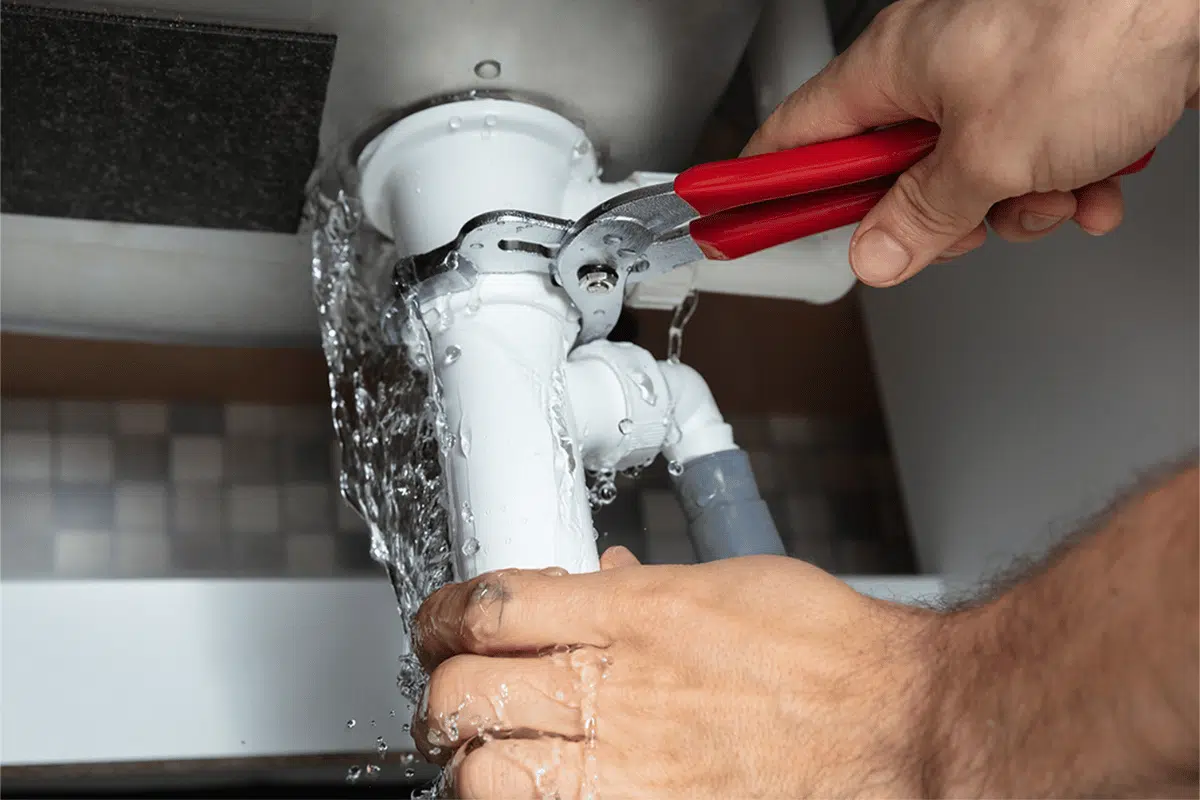
Most plumbing problems do not start big. They creep in quietly. A sink may drain slowly, or a small drip might start at night. Sometimes a wall feels a bit damp. Most people ignore it, but finding these signs early can stop bigger problems later. If you already know What to Do Until a Plumber Comes, you are less likely to face sudden chaos. Quick observation, even without fixing, helps you buy time.
Prevent Extra Water Damage Indoors
Water moves fast. One small leak can soak carpets or swell wooden floors in minutes. The first step is simple: catch it early. Place a bucket under the drip, roll a few towels to block the spread, and move furniture aside. Even a tray under the leak helps protect the floor. It might feel like small effort, but these actions limit the mess until proper repairs take place.
Shut Off Valves Before The Situation Grows
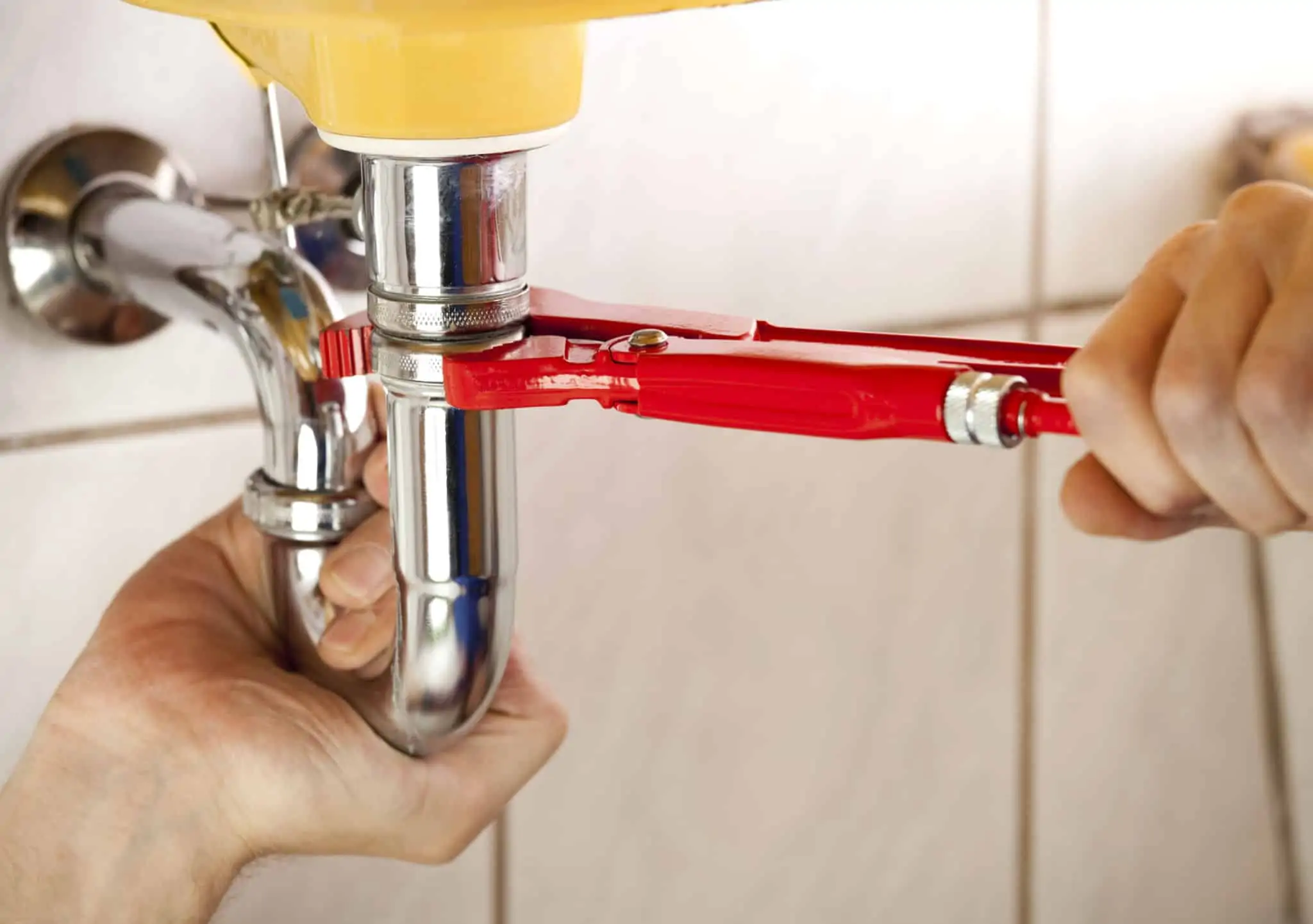
The easiest way to gain control is by turning off valves. Most sinks and toilets have a small knob nearby. Turn it tight, clockwise, and the flow stops. If the leak is larger, head to the main supply. It could be in the basement, outside wall, or next to the meter. Every home is different, so knowing that spot in advance is important. In the middle of a flood, searching for it wastes precious time.
Temporary Patches That Work In A Pinch
You do not need special tools to slow a leak.
- Duct tape wrapped tightly around a cracked joint can hold for hours.
- A blob of epoxy putty pressed over a hole keeps water back long enough.
- Rubber with a clamp can hold pipes steady.
- Even a good plunger push may free a clog that is building pressure.
These quick tricks are not final repairs. They simply buy breathing space until a plumber walks through your door.
Know When To Step Back And Wait
It is always tempting to keep tinkering when something breaks at home. Do a quick search online, a few tools from the drawer, and it feels like progress when confused that What to Do Until a Plumber Comes. But problems like gas heater leaks, clogged sewer lines, or water spreading through several rooms need skilled help and the right safety checks.
At that point, your role is complete. The purpose of these small, do-it-yourself fixes is not to replace expertise but to bridge the gap until expert repair restores order. Knowing where to stop is its own kind of skill, and often the one that protects your home the most.