Category: Pet

  • Perfect Pups: Proven Methods for Fun and Effective Training

    Perfect Pups: Proven Methods for Fun and Effective Training

    Learning how to train a dog well so that it is happier and behaves better is what every pet owner wants. Well-trained dogs bring happiness, peace, and a stronger bond between you and each other. You don’t have to feel overwhelmed by training, whether you have a hyperactive baby or an adult dog that needs help. You can train your dog to be the loyal, well-behaved friend you’ve always wanted if you use the right methods and are steady. For people who want professional help, even dog training California experts stress how simple habits and methods can lead to big improvements. Here are some good ways to make your dog happy and your home a better place to live.

    Start by learning the basics

    “sit,” “stay,” “come,” and “leave it” are the commands that teach dogs some manners. To keep your dog interesting and focused, start with short trips. When they do something right, give them treats and praise. A soft but strong voice will get your pet to obey without scaring them. Learning these simple directions will not only help your dog behave better but will also set you up for more advanced training in the future.

    dog training California

    Keep going and be patient

    It takes a lot of patience and consistency to train. Dogs like routines, so make sure you train them at set times. Do orders every day, even if it’s just for 10 minutes. When your dog does something wrong, don’t yell at them or hit them. Instead, be patient and give them treats for good behaviour. They will trust you more and know what you expect if you repeat orders and praise good behaviour.

    It is important to socialize

    A dog that is happy and well-behaved feels at ease in different places and with other people. Getting your dog used to people, other dogs, and new things will make it less anxious and less likely to bite. Begin by introducing them to calm places and pets that are nice. Slowly put them in more difficult situations to help them gain confidence and learn how to behave properly.

    It doesn’t have to be hard to train your dog. If you use simple orders, consistency, and positive reinforcement, you can do amazing things. These tips will help you and your furry friend live in a calm and happy home, whether you just got a dog or need help with an older one. Even people who work in dog training California agree that the keys to success are patience and hard work. Start right away, and soon you’ll have a happy, well-behaved dog by your side.
  • How to Train Your Dog to Use Interactive Toys?

    How to Train Your Dog to Use Interactive Toys?

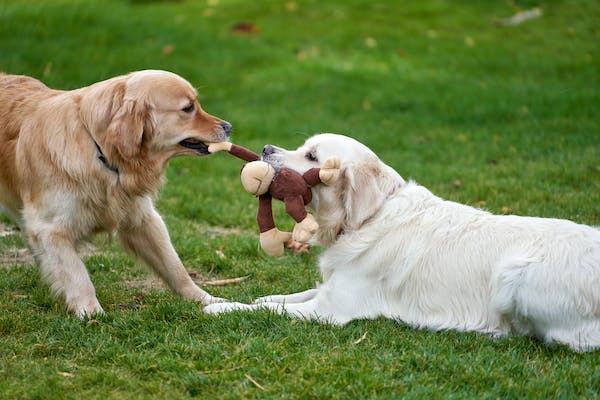
    Training your dog to use interactive toys can be both fun and beneficial for their mental and physical well-being. Interactive toys engage dogs in stimulating activities that can prevent boredom and promote problem-solving skills. Here’s a guide on how to train your dog to use the best interactive dog toy effectively:

    1. Choose the Right Toy:

    Start by selecting the best interactive dog toy that is suitable for your dog’s size, age, and chewing habits. Toys with compartments for treats or puzzles with movable parts are great choices. Ensure the toy is safe and durable.

    2. Introduce the Toy:

    Begin by introducing the toy to your dog in a calm environment. Let them sniff and inspect it to get familiar. Use positive reinforcement like treats or praise to create a positive association with the toy.

    3. Demonstrate and Encourage:

    Show your dog how the toy works. For example, demonstrate how to move parts to reveal treats or how to push buttons to activate sounds or movements. Encourage them to interact with the toy by offering treats for any interaction, even initial curiosity.

    the best interactive dog toy

    4. Use Treats as Motivation:

    Place treats inside the toy or in its compartments to motivate your dog to engage with it. Start with easy challenges where treats are easily accessible, then gradually increase difficulty by making treats harder to reach.

    5. Offer Guidance:

    Initially, guide your dog through the process if they seem unsure. For instance, help them nudge a lever or lift a flap to get the treat. This helps them understand the goal and encourages independent problem-solving.

    6. Regular Practice Sessions:

    Schedule regular sessions to play with interactive toys. Keep these sessions short and enjoyable, aiming for around 10-15 minutes per session. Consistency helps reinforce learning and keeps your dog interested.

    7. Increase Difficulty Gradually:

    As your dog becomes proficient, make the challenges more complex. Introduce toys with multiple steps or ones that require different actions to get rewards. This keeps their mind engaged and prevents boredom.

    8. Rotate Toys:

    To maintain interest, rotate different interactive toys weekly or bi-weekly. This prevents your dog from getting bored with the same toy and encourages the exploration of new challenges.

    9. Monitor and Supervise:

    Always supervise your dog during playtime with interactive toys, especially initially. This ensures their safety and helps you intervene if needed. Remove any broken or damaged toys promptly.

    10. Celebrate Progress:

    Celebrate your dog’s achievements and progress. Offer enthusiastic praise, extra playtime, or special treats when they successfully solve a challenging toy. Positive reinforcement strengthens the bond between you and encourages continued learning.